
Add Row
Add Element
cropper
update
Triangle Health Insider
update
Add Element
  • Home
  • Categories
    • wellness
    • Nutrition and Dining:
    • Holistic Health:
    • Mental Health Resources
    • Fitness Trends
    • Healthcare News
    • Family Health
    • Lifestyle Tips
March 14.2025
4 Minutes Read

Discover How Protein and Micronutrients Can Transform Your Health

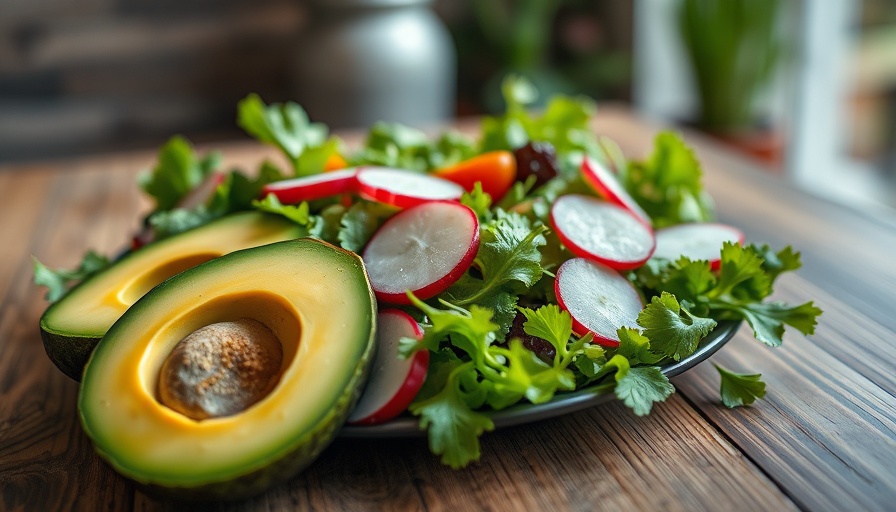
Healthy salad with avocado and vegetables, vibrant photo, Protein and Micronutrients for Health.

How Protein and Micronutrients Can Transform Your Health

For many of us, the relationship with food is complicated. Diets, calorie counting, and weight management often overshadow the fundamental purpose of food: nourishment. In my journey toward better health, I stumbled upon a principle that shifted my perspective entirely—a focus on protein and micronutrients as the cornerstone of wellness.

The Shift to a Nourishing Mindset

Countless people find themselves trapped in the exhausting cycle of calorie counting. We’ve been told that consuming fewer calories is the best way to shed those stubborn pounds. However, this approach often doesn’t take into account the individual variations in metabolism, hormonal balance, and nutrient needs that many people, especially women with hormonal imbalances or thyroid issues, experience.

Through my personal exploration of health and well-being, I learned that while calories do matter, it's the quality of those calories that has the most significant impact on overall health. According to J.J. Virgin, "Your body is not a bank account; it's a chemistry lab." This understanding was pivotal for me, especially as I moved away from strict dieting and towards a more wholesome approach to eating.

Understanding Macronutrients vs. Micronutrients

Nutrition often centers around macronutrients—proteins, fats, and carbohydrates. While this focus is important, it frequently overshadows the crucial role of micronutrients—vitamins and minerals that are vital for our health. Our modern diets lack the nutrient density that foods once provided; therefore, we need to give conscious attention to our micronutrient intake.

The potential consequences of micronutrient deficiencies can be staggering. Research suggests that not getting enough micronutrients can lead our bodies to crave more calories in an attempt to compensate for the lack of essential nutrients. Thus, we find ourselves in a cyclical pattern of overeating without truly nourishing our bodies. This opens the door for stress, fat retention, and hormonal disruptions, all of which can negatively affect our health.

The Impact and Power of Micronutrients

Micronutrients like magnesium are essential for hundreds of processes within our bodies. A deficiency in magnesium, for example, can lead to increased cortisol levels, weight gain, and relationship struggles involving stress and cravings. In contrast, a diet that supports adequate micronutrient intake can stabilize hunger signals, boost energy levels, and enhance our mood.

Sometimes, cravings can offer insights about what our bodies are lacking. Craving salty foods might indicate low magnesium levels, while yearning for sweets could signal a deficiency in protein. Recognizing the body's signals helps guide smarter dietary choices that nourish rather than just fill.

The Role of Quality Caloric Intake

Emphasizing both quality and quantity of food can significantly change one's body chemistry. This balanced approach allows the body to receive the nutrients it needs to function properly, reducing compensatory eating behaviors often driven by deficiencies. It is crucial to focus on nutrient-dense foods, packed with vitamins and minerals, to facilitate healthy metabolic functions.

Addressing Common Micronutrient Deficiencies

While dietary choices are critical, external factors—like chronic illnesses or strict dieting—may impair nutrient absorption. The most common deficiencies include iron, vitamin D, calcium, and B vitamins, all of which are essential for various bodily functions from metabolism and hormone production to emotional well-being and immune response.

Moreover, population studies show alarming trends in nutrient inadequacies. For instance, many adults and children in the United States do not meet the recommended intake for vital nutrients. This highlights an opportunity to encourage dietary strategies and adjustments to elevate our health.

Making Nutritional Choices

Making informed decisions about our diets is essential in tackling these deficiencies. Nourishing snacks with nutrient-dense components, such as nuts, seeds, and fruits, can provide the micronutrients we often lack. Moreover, educational initiatives on the importance of dietary supplements can assist in bridging the gap for those unable to attain sufficient nutrients through food alone.

Conclusion: Take Charge of Your Health

In essence, the quest for health doesn't have to be about restricting what we eat or obsessively counting calories. Instead, focus on enriching your diet with quality sources of protein and micronutrients. By nurturing our bodies and addressing potential nutritional gaps, we can make strides toward improved health and wellness. So, let’s shift our mentality and recognize that the transformation starts with simple, mindful choices that prioritize nourishment.

Start your journey to better health today by being more conscious about the nutrients you consume. Incorporate a diverse range of foods guided by quality over quantity, and watch how your body responds positively.

Family Health

3 Views

0 Comments

Write A Comment

*
*
Please complete the captcha to submit your comment.
Related Posts All Posts
04.11.2026

Escape the Fight or Flight Mode: Tips for Parents to Find Calm

Update The Science Behind Fight or Flight: Understanding Your Body's Response When faced with stress, whether it's a minor inconvenience or a major life event, our body automatically triggers the "fight or flight" response. This physiological reaction, orchestrated by our nervous system, helps us react swiftly to threats, but it can also lead to chronic stress if activated too frequently. Parents and adults juggling responsibilities may find themselves in a constant state of alertness, leading to fatigue and anxiety. Understanding this response is the first step towards managing it. Why Knowing About Fight or Flight Matters For parents, being aware of how your body reacts to stressors can significantly impact not just your mental health but also the well-being of your children. Children often mirror their parents’ emotional states. When adults understand and manage their stress responses effectively, they set a healthier example for their kids. Finding ways to switch off this response can result in a more relaxed home environment, benefiting everyone. Emotional and Human Connections: Real Stories Consider Sarah, a busy mom of three, whose day often spirals into chaos. She felt overwhelmed, experiencing constant anxiety, making her short-tempered with her kids. By learning about the fight or flight response, Sarah identified her triggers—too much screen time, juggling work and home life, and lack of self-care. She began practicing mindfulness and deep breathing exercises. As a result, not only did she feel calmer, but her interactions with her children improved tremendously. Practical Insights: Techniques to Switch Off Fight or Flight So how can we effectively turn off this survival mode? Here are a few practical tips: Mindfulness Meditation: Regular mindfulness practice helps ground you in the present moment, reducing anxiety and stress. Deep Breathing: Engaging in deep breathing techniques can send signals to your brain that it's time to relax. Physical Exercise: Regular physical activity can lower stress hormones and improve your mood over time. Nature Walks: Being in nature has been shown to reduce feelings of stress and improve overall mental health. These practices can help rewire your body's response to stress, promoting a greater sense of calm and balance. Future Trends in Stress Management As mental health awareness grows, experts are increasingly emphasizing the importance of understanding the fight or flight response. Future trends may include workplace mindfulness programs or community workshops that equip individuals with skills to manage stress effectively. With the rise of technology, apps that track stress levels and provide relaxation exercises are becoming more prevalent, making stress management accessible to everyone. Take Action: Empower Yourself and Your Family Recognizing when you're in fight or flight mode isn’t just about you; it's a family affair. By making conscious choices to manage stress, you empower not only yourself but your loved ones as well. Discovering tools that help you regulate your emotional responses can spark positive changes in your home life. As you embark on this journey towards a calmer, more balanced life, remember: it’s okay to seek help when you need it. Whether it’s through professional support or community resources, taking the time to work on yourself will reap endless benefits for your entire family.

04.10.2026

Natural Remedies for Seasonal Allergies: Finding Relief This Spring

Update Explore Natural Remedies for Seasonal Allergies As the flowers bloom and the days grow longer, many individuals, particularly parents and adults, may find themselves grappling with the unwelcome guests of spring—seasonal allergies. Characterized by symptoms such as sneezing, itchy eyes, and runny noses, these annoyances are often triggered by pollen, dust mites, and other allergens. Fortunately, there are various natural remedies that can help alleviate these uncomfortable symptoms without relying solely on conventional medication. Understanding the Allergen Landscape Before diving into remedies, it's essential to understand the common culprits behind seasonal allergies. According to recent insights, pollen from trees, grass, and flowers tends to spike during spring, impacting millions of Americans. Allergies can manifest in various ways, and knowing what triggers your reactions can help in managing them effectively. Effective Home Remedies for Allergy Relief 1. Saline Nasal Irrigation: One of the most effective methods for alleviating sinus congestion is saline nasal irrigation. This simple procedure involves flushing out mucus and allergens from your nasal passages with a saltwater solution, helping to reduce inflammation and mucus build-up. You can accomplish this using a neti pot or a specialized squeeze bottle. 2. Quercetin-Rich Foods: Foods high in quercetin, such as onions, apples, and green tea, may provide a natural boost against allergies. Quercetin acts as a natural antihistamine, inhibiting the release of histamines that cause allergic symptoms. Incorporating these into your diet can help curb your body's allergic responses. 3. Probiotics: Consider adding probiotic foods like yogurt and kimchi to your diet. Recent research hints that a healthy gut microbiome may play a role in regulating the immune system, potentially reducing allergy symptoms over time. Cleansing Your Home Environment A cleaner home can facilitate allergy relief. Utilizing high-efficiency particulate air (HEPA) filters in your home can help trap airborne allergens, including pollen and dust. Regularly cleaning and vacuuming with a damp cloth or mop can further minimize the accumulation of dust and other irritants. The Benefits of Acupuncture and Herbal Remedies Some people find that acupuncture may assist in alleviating allergic reactions by reducing inflammation and promoting overall well-being. Additionally, herbs like stinging nettle and butterbur are believed to have natural antihistamine properties. While some studies support their efficacy, it is important to consult with a healthcare provider before starting any herbal regimen. Avoiding Allergens: Practical Tips to Implement Taking proactive steps toward avoiding allergens can be beneficial. Check pollen forecasts in your area to avoid outdoor activities during peak pollen times. Keeping windows closed, using air conditioning, and changing clothes upon returning indoors can also make a significant difference in your comfort level. The Road Ahead: Looking Towards Allergy Management As the seasons change, staying informed about your allergies and potential remedies can empower you to respond effectively. Combining strategies from dietary changes to home environment improvements creates a holistic approach to managing your seasonal allergies while promoting overall wellness. Engaging with these natural remedies allows for a proactive and healthy lifestyle, encouraging you to enjoy every moment of the season worry-free. In conclusion, while seasonal allergies can be a nuisance, parents and adults can adopt various natural remedies to manage symptoms effectively. From dietary adjustments to wellness practices like nasal irrigation and air purification, these holistic strategies are designed to ease uncomfortable allergy symptoms during peak seasons. Remember to consult with a healthcare provider before starting new treatments, especially regarding herbal remedies or if you have severe allergies. With the right strategies in place, you can embrace the beauty of the season with greater comfort and ease. Consider these insights on managing seasonal allergies through natural remedies and take proactive steps towards a healthier, happier spring!

04.08.2026

Golden Milk Mango Popsicles: Delicious, Healthy Summer Treats!

Update Refreshing Golden Milk Mango Popsicles: A Perfect Summer Treat As summer heralds the arrival of warm weather and outdoor fun, it's time to indulge in treats that are not just refreshing but also nutritious. Meet the Golden Milk Mango Popsicles—a delightful combination of creamy coconut, vitamin-rich mango, and anti-inflammatory turmeric that can transform your summer snacking! The Power of Superfoods These popsicles stand out not only for their vibrant color but also for the nutritional powerhouse they offer. Each ingredient is thoughtfully chosen to provide a bounty of health benefits. For instance, mangoes are packed with Vitamins A, C, and B6, supporting immune function and digestion. But what sets this recipe apart is turmeric, renowned for its anti-inflammatory properties. Incorporating black pepper enhances the absorption of curcumin, the active compound in turmeric, making these popsicles an excellent choice for anyone looking to enhance their health while enjoying a frozen treat. Coconut: The Creamy Base Coconut milk is the star that adds creaminess and enriches these popsicles with medium-chain triglycerides (MCTs), known for their health benefits, including reduced inflammation and improved metabolic performance. This makes them indulgent yet guilt-free, allowing your kids to enjoy something sweet without the typical sugar rush. Crafting Your Popsicles: An Easy Recipe Making these popsicles is straightforward and can be a fun activity for the whole family. Simply blend the ingredients—frozen mango, coconut milk, turmeric, honey, fresh citrus juice, and a sprinkle of black pepper—until smooth. Pour the mixture into molds and freeze. Within hours, you'll have delicious, creamy popsicles that are not just delicious but also support your family's health. Customizing Your Popsicle Experience Feel free to adapt the recipe to suit your taste preferences. If you're looking for a tropical twist, consider adding a bit of lime zest or even incorporating other fruits like pineapple for a creamier blend. For a little kick, a dash of cayenne pepper could spice things up. The decorum here is that these popsicles are flexible enough to cater to your family's taste while ensuring they remain a healthy option. Why Choose Golden Milk? The popularity of golden milk has risen in recent years due to its numerous health benefits—this ancient Ayurvedic drink is made from turmeric and often includes spices like ginger, cinnamon, and black pepper. By transforming it into a popsicle, you’re introducing the goodness of golden milk into a fun summer treat that kids love. These popsicles not only cool you down on a hot day but also harness the healing powers of traditional spices. It's a win-win! Common Myths Debunked You might wonder if a popsicle can truly be healthy. The answer is yes! Many people associate popsicles with sugary treats, but they can be a fantastic source of nutrients when prepared with health-conscious ingredients. The combination of tropical mango, anti-inflammatory turmeric, and revitalizing coconut ensures that these popsicles don’t just satisfy your sweet tooth but also nourish your body. So, dismiss the myth that frozen treats shouldn't be part of a healthy diet. Conclusion: A Seasonal Staple With their delightful taste and impressive health benefits, Golden Milk Mango Popsicles are bound to become a seasonal staple in your family's dietary repertoire. Get your kids involved in the kitchen, make a batch, and enjoy a popsicle that refreshes and revives while also nourishing your bodies. For a fun family activity, whip up these popsicles today and relish the cool, creamy bliss that this summer brings.

Terms of Service

Privacy Policy

Core Modal Title

Sorry, no results found

You Might Find These Articles Interesting

T
Please Check Your Email
We Will Be Following Up Shortly
*
*
*