Add Row
Add Element
cropper
update
Triangle Health Insider
update
Add Element
  • Home
  • Categories
    • wellness
    • Nutrition and Dining:
    • Holistic Health:
    • Mental Health Resources
    • Fitness Trends
    • Healthcare News
    • Family Health
    • Lifestyle Tips
March 09.2025
3 Minutes Read

Discover How to Make Your Own Natural DIY Hairspray at Home

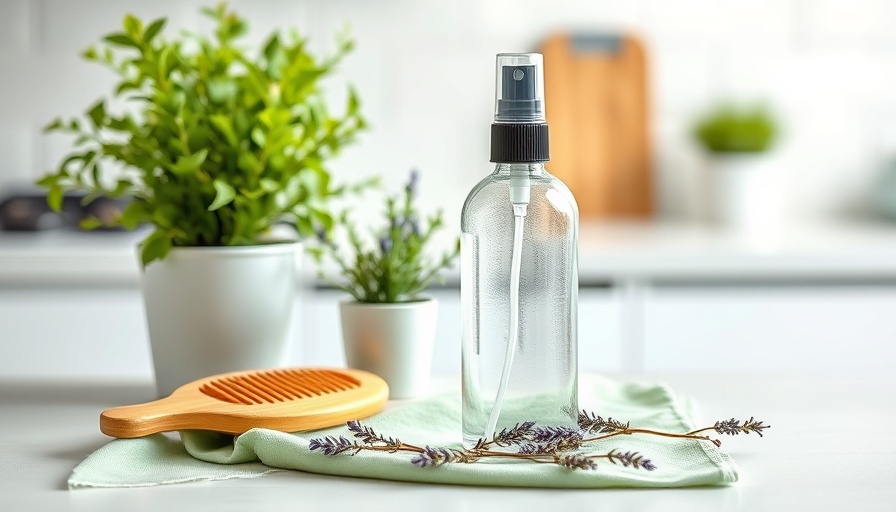
DIY natural hairspray setup on a marble counter with greenery.

Why Choose Natural Hair Care Products?

In today's world, the awareness around the toxicity of conventional beauty products is growing. Many traditional hair sprays are laden with harmful chemicals such as PFAS, VOCs, and other harmful solvents that can irritate not just your hair but also your overall health. As people become more conscious of what they put in and on their bodies, natural alternatives are gaining ground. This article will explore a simple, effective DIY hairspray recipe that not only holds your style but also supports healthier hair.

DIY Natural Hairspray: A Simple Recipe

This natural hairspray is made from just three main ingredients: distilled water, sugar, and alcohol, along with your choice of essential oils for fragrance and added benefits. What’s remarkable is that sugar is the secret ingredient giving it the hold you desire.

Essential Ingredients Breakdown

Distilled Water: Using distilled or filtered water ensures that your hairspray is not contaminated with bacteria or impurities.

Sugar: About 2 tablespoons of white sugar is used to provide hold. Despite its sweetness, in this form, it serves more as a polymer that helps set your hairstyle rather than something to consume.

Alcohol: A spirit of at least 80-proof, like vodka or spiced rum, is preferable for its lovely scent and effectiveness. This ingredient not only helps in drying the hairspray quickly but also serves as a natural preservative.

Essential Oils: Essential oils like lavender, rosemary, and cedarwood elevate the performance of your DIY hairspray. Lavender promotes hair growth while rosemary helps with thinning hair. Meanwhile, cedarwood has a lovely earthy aroma and beneficial properties for scalp health.

Steps to Make Your Own Hairspray

The process for making this hairspray is quick and straightforward:

  1. Boil 1.5 cups of distilled water and dissolve 2 tablespoons of sugar in it.
  2. Once the sugar is completely dissolved, let the mixture cool to room temperature.
  3. Add in 1 tablespoon of your chosen alcohol and about 10-15 drops of essential oils.
  4. Pour this concoction into a 16-oz glass spray bottle for future use.
  5. Shake well before each use and spray onto your finished hairstyle to hold it in place.

The Benefits of Using Essential Oils

Many individuals might wonder why essential oils are regularly mentioned in recipes for natural beauty products. Not only do they provide delightful fragrances, but essential oils can also enhance hair health significantly. For instance, lavender has been shown to increase follicle count, while rosemary stimulates blood circulation, promoting healthier hair growth. Introducing these elements into your daily routine can lead to healthier scalp conditions, better moisture retention, and an overall enhancement of hair vitality.

Comparing DIY Natural Hairspray with Conventional Options

Switching from store-bought hairspray to a homemade version can result in more than just a safer solution. Many conventional sprays are laden with alcohols and synthetic polymers that not only dry out your hair but also contribute to long-term damage. By crafting your own, you're choosing ingredients that work harmoniously with your hair and health.

Final Thoughts: Take a Step Toward Healthier Hair Care

This DIY hairspray is not just a replacement for conventional hair products; it reflects a shift towards a more mindful approach to beauty and health. By using a blend of food-grade ingredients, you can ditch toxins while enjoying a customizable scent and hold. Take this step toward healthier living and share this recipe with friends and family. You might find that they are eager to join you on this journey to healthier beauty practices!

If you're ready to revolutionize how you style your hair, gather your ingredients and give this natural hairspray a try. Your hair and health will undoubtedly appreciate it!

Family Health

4 Views

0 Comments

Write A Comment

*
*
Related Posts All Posts
01.23.2026

Unlocking the Potential of Junk Food: Creative Uses at Home

Update Creative Solutions for That Junk Food Stash The transition to a whole food lifestyle often stirs up some unexpected challenges—like finding yourself with leftovers of junk food that now seems out of place in your pantry. Many of us can relate to this, having cabinets filled with unopened packages of snacks, sugary cereals, and other non-perishables. Instead of tossing these items in the trash, let's explore innovative and enjoyable ways to repurpose them around the home. Transforming Ingredients into Playtime One of the best ways to utilize leftover junk food is through creativity—especially when it comes to engaging your kids. Ever thought about turning unloved all-purpose flour into homemade playdough? Making playdough can be a delightful activity that not only entertains children but also serves a practical purpose. Here's a simple recipe: Combine 2 cups of water and 1 cup of table salt in a large pot, and heat until dissolved. Stir in 2 cups of flour, 2-3 tablespoons of vegetable oil, and 1 tablespoon of cream of tartar. Cook until thickened, then let it cool before adding food coloring for some extra fun. Your kids will cherish the quality time spent crafting vibrant models while clearing the pantry! Household Helpers from Junk Food Some junk food items can even serve as effective household cleaning products. For instance, did you know that soda can be an effective cleaning agent? The acid in soda can break down tough stains. Pour it into your toilet, let it sit for an hour, and scrub away those stubborn stains with a brush. Similarly, leftover sugar can be turned into a skin scrub, or it can help eliminate pesky ants by mixing it with borax as bait. It creates an effective insect trap while ensuring nothing goes to waste. Don't Forget About Your Pet Projects While we often focus on our family's needs, let's not forget our furry friends. If you have an abundance of snacks like old crackers, consider turning them into pet treats! Just crumble the crackers and mix them with natural peanut butter and oats to create homemade pet snacks—no artificial ingredients included. This not only uses up what you have but also provides a healthy treat for your beloved companion. Innovative Recipes with Leftover Ingredients Turn that leftover cake into cake pops—an easy and delightful way to indulge without wasting. Just crumble the old cake, mix in a bit of frosting or cream cheese, roll into balls, and dip in chocolate for a fun homemade treat. If you've got spare chips from a party, you can creatively whip up walking tacos, where chips serve as a base topped with meats and veggies. Conclusion: Embracing Mindful Consumption Repurposing leftover junk food not only helps reduce waste but also inspires creativity and engagement in your household. From playful projects with kids to practical cleaning hacks and satisfying recipes, there’s an abundance of ways to give these ingredients a new life. By embracing these principles, you contribute to a more sustainable lifestyle while making everyday tasks enjoyable—an essential win-win for any family. Next time you're cleaning out your pantry, remember these ideas! They can reduce clutter, foster creativity, and even impart valuable lessons to your children about reusing and recycling. There's no reason for that junk food to become waste—find joy and purpose in these creative uses!

01.21.2026

Unlock the Secrets to a Delicious Slow Cooker Boston Butt Recipe

Update Discovering the Flavorful World of Slow Cooker Boston Butt When cooking for a family, especially with busy schedules, few meals are as reliable as a slow cooker Boston butt roast. Not only does this cut of pork turn out incredibly tender, but it also provides excellent value and versatility in the kitchen. This recipe stands apart from many others through its commitment to whole food ingredients, foregoing unhealthy additives often found in store-bought sauces. The Simplicity and Ease of Slow-Cooked Meals Pork barbecue has long been a cherished dish in many Southern households, and the Boston butt roast is no exception. As parents juggling the complexities of daily life, finding wholesome, convenient meals is vital. With a fleet of kids involved in sports and other activities, a slow cooker isn't just a time-saving tool; it's a culinary superhero. Imagine coming home after a long day to the rich aroma of slow-cooked pork wafting through the house. With minimal prep time—just five minutes to assemble—this dish makes evenings far less stressful. Repurposing Leftovers: Beyond the Standard The beauty of a Boston butt roast lies in its versatility. After the initial serving, the leftovers can be transformed into numerous meals. Whether crafting BBQ omelets for breakfast, adding shredded meat to salads for extra protein, or using it as a filling for tacos or nachos, the culinary potential is boundless. Serving this succulent pork alongside seasonal vegetables like sweet potato fries or sautéed Brussels sprouts brings nutritional balance, while also providing vibrant colors on your dinner plate. Benefits of Whole Food Cooking Focusing on whole food ingredients creates a more satisfying and nourishing dining experience. Utilizing spices, fruits like pineapple, and healthy sauces can create a flavor profile that is both refreshing and satisfying without the guilt often accompanying processed foods. As demonstrated in the Boston butt recipe, when you allow your ingredients to complement each other naturally, the dish not only tastes better, but it also supports a healthier lifestyle for you and your family. It’s essential to remember that cooking is not just about sustenance; it’s about enjoyment and connection. Practical Cooking Tips for Best Results To ensure maximum flavor and tenderness, remember to store any leftovers in their cooking juices. This practice keeps the meat from drying out and enhances the flavor when reheating. If there's an excess of liquid after cooking, reduce it by simmering on the stove for a richer sauce that coats beautifully. For those curious about flavor depth, consider experimenting with spices, or even incorporating unique ingredients into your BBQ sauce. Many recipes suggest employing ingredients like smoked paprika or even a dash of cayenne pepper to kick things up a notch. Final Thoughts: Embrace the Journey of Cooking Cooking a Boston butt roast is not just about filling your family’s bellies. It’s an opportunity to draw everyone into the kitchen, to share stories and laughs while preparing a meal that can cater to different dietary preferences. This ultimately leads to memories tied together through the joy of shared meals. So, as you experience the tender delight of a slow-cooked Boston butt, consider how this simple meal can become part of the fabric of your family’s lifestyle. Ready to Give It a Try? If you’re inspired to explore this Boston butt recipe in your own kitchen, go ahead! As you pull together ingredients and enjoy the ease of recipe preparation, you might just find a new favorite dish that enhances family dinners and brings joy to your table.

01.16.2026

Crafting Homemade Baby Balm: A Safe Approach For Your Little One

Update Why Choose Homemade Baby Balm? Many new parents face the overwhelming task of selecting products for their little ones, often driven by a desire for safety and gentleness. However, once they look beyond the marketing, many discover that common products contain undesired additives such as petroleum and artificial fragrances. This realization compels numerous parents to explore homemade alternatives, like baby balms crafted from natural and food-safe ingredients. In this article, we’ll delve into a simple yet effective recipe for homemade baby balm, which prioritizes both safety and efficacy. Ingredients That Nourish This homemade baby balm features four key ingredients that are not only gentle on sensitive skin but also provide nourishing benefits: Cocoa Butter: Known for its antioxidant properties and high fatty acid content, cocoa butter is excellent for creating a protective barrier on the skin. Shea Butter: Rich in vitamin A and essential nutrients, shea butter is a powerhouse for skin protection and hydration. Olive Oil: With its ability to attract moisture and repair damaged skin, olive oil is a natural inclusion that many families already have in their kitchens. Castor Oil: This oil is known for its ability to protect the skin, delivering potent hydration. Understanding Essential Oil Safety for Infants Essential oils can provide soothing benefits in products for baby care, but caution is paramount. Dilution is crucial, usually recommended at a maximum of 0.25% concentration for ingredients such as frankincense, chamomile, and rose. For babies under three months, it's often advised to skip essential oils altogether. Herbal-infused oils can be an excellent alternative, providing benefits without the same risks associated with concentrated oils. The Recipe: Craft Your Own Baby Balm This simple recipe can be an engaging activity for parents while allowing them to customize their formulations. Here’s how to make your own baby balm: Ingredients: ¼ cup cocoa butter ¼ cup shea butter 2 TBSP olive oil 1 TBSP castor oil 7 drops of baby-safe essential oils (optional) Instructions: Begin by heating the cocoa butter and shea butter together in a double boiler or a glass bowl set over a pot of simmering water until completely melted. Remove from heat and stir in the olive oil and castor oil. If adding essential oils, do so after removing from heat and give it a good mix. Pour the mixture into glass jars and allow it to cool until set, preferably in the refrigerator. Applying the balm is straightforward; a small amount goes a long way. It's perfect for diaper rash, dry skin patches, and general moisturization. Benefits of Homemade Balms The reasons for choosing homemade balms extend beyond ingredient control. Many artisanal balms, such as calendula-infused options, provide additional benefits, including their anti-inflammatory properties which are invaluable for calming skin irritations associated with diaper rashes and other skin maladies. They are also inherently free from synthetic ingredients found in many commercial products. Ultimately, making your own baby balm allows parents to ensure that their child's delicate skin receives the tender care it deserves, all while knowing precisely what is being applied to it. Embracing the DIY Approach As parents seek to embrace a healthier lifestyle for their children, the DIY approach extends beyond skin care. It cultivates mindfulness and education about what products are truly beneficial and safe. So gather your ingredients, involve your older children in the process if you can, and enjoy exploring natural skin care! This recipe is part of a broader movement towards holistic health and self-sufficiency in family care. By choosing homemade balms, parents not only make a healthier choice for their children but also engage in a fulfilling and educational experience. Why not take the plunge into DIY baby care and craft your very own baby balm today?

Terms of Service

Privacy Policy

Core Modal Title

Sorry, no results found

You Might Find These Articles Interesting

T
Please Check Your Email
We Will Be Following Up Shortly
*
*
*