
Add Row
Add Element
cropper
update
Triangle Health Insider
update
Add Element
  • Home
  • Categories
    • wellness
    • Nutrition and Dining:
    • Holistic Health:
    • Mental Health Resources
    • Fitness Trends
    • Healthcare News
    • Family Health
    • Lifestyle Tips
August 27.2025
3 Minutes Read

Elevate Your Cooking with Homemade Pumpkin Pie Spice Blend

Homemade Pumpkin Pie Spice Blend (+ Recipes)

Embrace the Warmth of Homemade Pumpkin Pie Spice

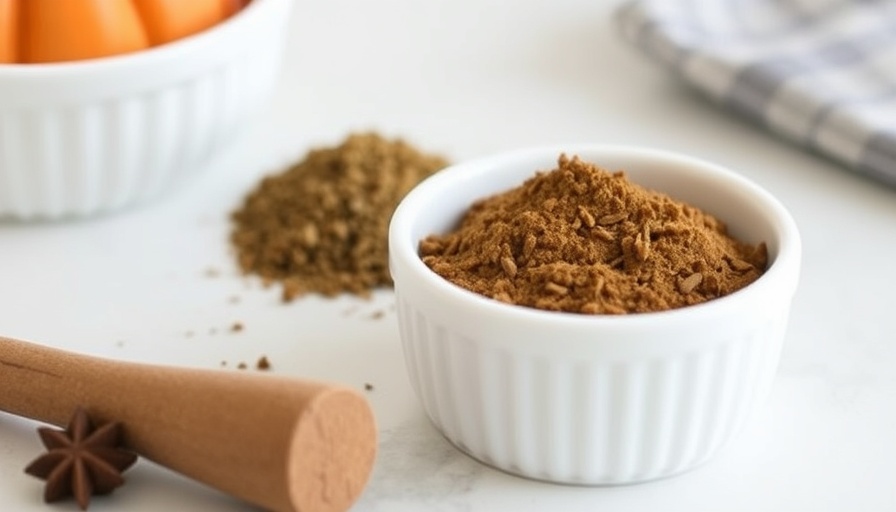
As the leaves change color and the air becomes crisp, nothing brings comfort quite like the smell of homemade pumpkin pie spice wafting through your kitchen. This delightful blend, rich in flavor and nostalgia, is not just for your holiday desserts; it's a versatile spice mix that can elevate numerous dishes throughout the fall season. Whether you're a seasoned baker or a novice cook, mastering this spice blend opens up a world of culinary possibilities.

Crafting Your Own Pumpkin Pie Spice Blend

Creating your own pumpkin pie spice is not only fun but also allows you to customize the flavor profile to suit your taste preferences. The basic ingredients typically include cinnamon, nutmeg, ginger, and cloves. These spices bring depth and warmth, perfect for pies, lattes, and even savory dishes.

Here's a simple recipe to get you started:

  • 2 tablespoons cinnamon
  • 1 teaspoon nutmeg
  • 1 teaspoon ginger
  • 1/2 teaspoon cloves

Mix these spices together in a bowl and store in an airtight container. This easy blend can also be a delightful gift for friends and family during the holiday season.

More Than Just Pie: Culinary Uses for Pumpkin Pie Spice

Besides your traditional pumpkin pie, there are so many creative ways to use pumpkin pie spice in your cooking. Here are some delicious ideas:

  • Spiced Apple Cider: Add a teaspoon of the blend to your hot apple cider for an extra layer of flavor.
  • Pumpkin Spice Overnight Oats: Stir in a teaspoon of the spice mix to your oats for a comforting breakfast option.
  • Seasoned Roasted Vegetables: Toss root vegetables with olive oil and pumpkin pie spice before roasting for a sweet and savory side dish.

By incorporating this spice blend into different meals, you embrace the fall flavors in unique ways.

Health Benefits of Homemade Spice Mixes

Making your own spice blends comes with added health benefits. Using fresh spices can boost your diet with antioxidants and anti-inflammatory properties. For instance, cinnamon has been shown to help regulate blood sugar levels, while ginger can aid digestion. By opting for homemade spices over store-bought options, you also reduce preservatives and additives in your meals.

Creating Connection Through Cooking

Cooking, especially during the holiday season, can be a joyful family activity. Involving children in the preparation of your pumpkin pie spice blend not only teaches them about cooking but also encourages bonding over shared experiences. You can turn the blend-making process into a fun kitchen project, adding storytelling about your family's holiday traditions.

Conclusions and Encouragement for Homemade Cooking

Homemade pumpkin pie spice is a simple yet impactful way to elevate your culinary creations this fall. By taking a few moments to craft your blend, you add a personal touch to your favorite recipes and make your meals more wholesome.

So gather your spices, invite your loved ones into the kitchen, and enjoy the transformation that comes with homemade cooking. Experience the warmth, flavors, and cherished memories that come from your own pumpkin pie spice blend this season.

Family Health

3 Views

0 Comments

Write A Comment

*
*
Related Posts All Posts
02.14.2026

Transform Your Home Into a Nervous System-Friendly Sanctuary

Update Create a Tranquil Living Space for Your Family As parents, we often face an uphill battle against stressors that creep into our homes—balancing work, family obligations, and the noise of everyday life can sometimes feel overwhelming. Have you ever arrived home after a long day, only to find the chaos of your living space adding to your stress? Crafting a nervous system-friendly home is vital to promoting serenity and wellness within your family unit. Understanding Your Environment's Impact The home should be a sanctuary—a haven where you and your loved ones can escape the outside world's demands. Environmental cues, such as lighting, clutter, and even smells, significantly influence our nervous system's response. This connection between environment and well-being is especially crucial for families. A 2009 study shows that clutter can directly heighten stress levels, particularly for women, indicative of how our spaces can impact our mental health. When home becomes a source of stress, it can create a ripple effect, affecting family interactions and overall happiness. To turn your home into a peaceful sanctuary, it’s helpful to analyze not only what’s present but also what’s missing—have you made a conscious effort to create a calm atmosphere? Incorporating Natural Light Natural light is one of the most powerful tools to enhance your home environment. A significant aspect of creating a nervous system-friendly home lies in optimizing the sunlight that enters your space. Morning sunlight, in particular, can have tremendous benefits, triggering hormonal cascades that enhance mood and vitality. Consider opening your blinds first thing in the morning or stepping outside to let the sun greet you—this simple act can dramatically shift the energy of your home and improve everyone’s mood. During the day, make sure to maximize natural light exposure. Utilize full-spectrum bulbs in your home to mimic outdoor light and promote a balanced atmosphere. Even small habits, like turning on lights as the evening approaches, can send the right signals to our nervous systems, helping us transition into a calmer mode as day turns to night. The Power of Decluttering A key component of establishing a peaceful home environment is the act of decluttering. Clutter can send danger signals to your nervous system, causing anxiety and restlessness. Addressing this clutter doesn't have to be an overwhelming project; instead, take a mindful approach. Start small—clear one area or room at a time, creating defined spaces for essential items while letting go of the unnecessary. Organizing your space not only provides clarity but can also be therapeutic, fostering a sense of accomplishment and calm. Establishing Family Routines Another effective way to nurture a soothing home atmosphere is by creating daily family routines. Predictability can reduce anxiety levels and provide a welcoming framework that comforts children and parents alike. Regular activities such as meal times, story sessions, or family game nights create opportunities for families to bond and unwind. Incorporating these healthy habits may instill a sense of routine within your children, giving them ownership over their roles in the family dynamic and encouraging a supportive environment. Involve your children in household responsibilities as a means to engage them and teach valuable life skills, while also reducing stress around chores. Inviting Calm Through Nature Spending time in nature is a well-documented method for reducing stress, and your home can reflect this. Create a cozy outdoor space, whether it be a small garden or a balcony filled with plants. Natural elements not only foster grounding energy but also encourage family interactions in a peaceful setting. Try to set aside specific times each week for outdoor activities as a family—hiking, biking, or simply playing in the park. This commitment to exploring nature offers a valuable opportunity to connect and can significantly alleviate stress. Creating Personal Sanctuary Spaces Every family member should have their special place within the home, a sanctuary for quiet reflection and rejuvenation. Setting up cozy corners with cushions, favorite books, or crafting supplies encourages personal downtime. Follow the example of creating individual 'quiet zones,' where family members can retreat when overwhelmed. This practice not only cultivates self-awareness but reinforces the importance of mental health to your children. As you implement these tips and practices, remember to be mindful of the shifts in your family's collective energy within your home. A stress-free environment fosters growth, connection, and safety that becomes a nurturing backdrop for all of life’s moments. In summary, creating a nervous system-friendly home is an ongoing journey, filled with small yet impactful changes. By addressing light, clutter, routines, nature, and personal spaces, parents can cultivate a tranquil haven for their families to thrive. Explore these ideas and make them your own; your family’s collective wellbeing depends on it!

02.13.2026

Unlock the Secrets to Hair Growth with This DIY Hair Serum Recipe

Update Understanding Hair Loss: The Invisible Connections When we hear the term "hair loss," many of us think of genetics or aging. However, hair loss can often manifest as a symptom of deeper issues within our bodies. Factors such as chronic stress, hormonal changes, nutrient deficiencies, and even post-viral conditions can play significant roles. In many cases, when the body finds itself under stress, hair takes a hit as it learns to prioritize its resources—often leaving our strands behind. The Importance of Nutrition for Hair Growth Supporting hair regrowth requires a multifaceted approach, one that begins on the inside. Adequate intake of proteins, iron, zinc, and B vitamins is vital. The body requires these nutrients to rebuild tissues, including hair. Many women may also find balancing blood sugar levels, managing stress through mindfulness practices, and ensuring adequate sleep can greatly impact not only their emotional well-being but also their hair health. DIY Hair Growth Serums: Natural Solutions For those looking for a more hands-on approach to hair care, DIY serums have emerged as an effective alternative. The appeal of a homely concoction means you’ll know exactly what’s going into your serum, steering clear of synthetic ingredients. Combining herbs and essential oils known for their nourishing properties makes these serums not just a treatment but an empowerment tool. Key Ingredients That Encourage Healthy Growth Making a homemade hair growth serum is both a science and an art. Consider incorporating invigorating ingredients like rosemary oil, which some studies suggest may work comparably to conventional treatments like minoxidil. Similarly, nettle is rich in vitamins A, C, and K, along with iron and magnesium, which support follicle health. Meanwhile, aloe vera gel is a soothing base, balancing hydration without an oily residue. A Step Toward Scalp Health Which leads us to the primary function of a hair serum: scalp health is paramount for hair regrowth. It's essential to stimulate circulation to the follicle area, nourish with vitamins, and provide remedies for irritation. Regular massages during application can also enhance blood flow, delivering those nutrients precisely where they’re needed. Getting Started: DIY Hair Growth Serum Recipe To create your own serum, combine the following ingredients: 1 cup distilled water 2 tablespoons dried nettle leaves 2 tablespoons dried horsetail leaves (optional) 2 tablespoons aloe vera gel 10 drops rosemary essential oil 10 drops clary sage essential oil 10 drops lavender essential oil Steep the dried herbs in boiling water, then strain and mix with aloe and essential oils. Spray on dry or damp hair, massaging into the scalp to encourage nutrient delivery. Store in the fridge and shake well before each use. Establishing a Holistic Hair Care Routine The journey toward healthier hair isn't a sprint—it's a marathon. Consider incorporating practices like reducing stress and prioritizing nutrition along with using the DIY serum. This holistic approach may fundamentally improve hair health while empowering you to control your own health journey. With a little patience and consistency, you may soon appreciate the results of your dedication. Remember, your hair tells a story about your overall health. By addressing the roots of hair loss and integrating supportive practices, you're not just advocating for your hair, but for your body as well.

02.11.2026

Embrace Jamaican Flavors with This Easy Homemade Jerk Seasoning Recipe

Update Discover the Richness of Homemade Jamaican Jerk Seasoning For those of you who haven’t experienced Jamaican jerk seasoning, it's time to embrace this bold and aromatic spice blend that transforms any dish into a savory explosion of flavor! Its roots trace back to the Caribbean, where jerk cooking originated, traditionally used to season grilled meats, especially chicken and pork. While the unique mix of spices can seem daunting at first, making jerk seasoning at home is incredibly simple and allows for a delightful balance of sweet, spicy, and earthy notes. The Essentials of Jerk Seasoning The traditional ingredients in jerk seasoning usually include allspice, thyme, garlic, onion, cinnamon, nutmeg, and a fiery element like cayenne or Scotch bonnet peppers. According to Chili Pepper Madness, the beauty of making jerk seasoning at home is the ability to customize it to your taste. For those who prefer a kick of heat, a dash or two of cayenne pepper can be added, while those who like it milder can adjust accordingly. Crafting Your Own Blend Creating a homemade jerk seasoning blend not only guarantees superior flavor compared to store-bought options but also allows you to control the ingredients, ensuring that you avoid any preservatives or excess sodium. By combining spices such as onion powder, garlic powder, cayenne, thyme, and allspice, you can mimic the soulful flavors of traditional Jamaican recipes. A Versatile Spice Blend for All Dishes One of the greatest perks of homemade jerk seasoning is its versatility. It’s not just for chicken – try it on shrimp, pork, or even roasted vegetables for a delightful twist. Jo Cooks emphasizes how it can elevate a simple dish, like grilled corn or fish, transforming the everyday into something extraordinary. The combination of spices delivers a smoky flavor that enchants the taste buds. Why Homemade is the Way to Go Making jerk seasoning at home is not only easy but also an opportunity to experiment. As noted in the Wellness Mama article, incorporating flavors like cinnamon demonstrates how even traditionally sweet spices can enhance savory dishes. This synergy creates a complex flavor profile that is distinctively jerk while allowing room for personal preference. Steps to Make Your Own Jerk Seasoning To whip up your batch, simply mix spices you most likely already have in your pantry. Here’s a basic recipe to get you started: 2 tablespoons onion powder 1 tablespoon garlic powder 1 tablespoon salt (or to taste) 2 tablespoons dried thyme 2 teaspoons allspice 1-2 teaspoons cinnamon 1 teaspoon cayenne pepper (optional) ½-1 teaspoon black pepper Simply combine these ingredients and store in an airtight container. The entire process takes only 5 minutes! Final Thoughts and Action Steps Now that you have the knowledge to create delicious homemade jerk seasoning, it’s time to get cooking! Whether you’re grilling for a family occasion or looking to add excitement to your weekly meals, this blend can easily become a staple in your kitchen. As you embark on this culinary journey, consider playing around with the ratios of spices to discover your perfect blend. You might even mix the seasoning with oils or honey to create a marinade, adding even more dimensions to your dishes. Now, go ahead and embrace the vibrant flavors of Jamaica; your taste buds will thank you!

Terms of Service

Privacy Policy

Core Modal Title

Sorry, no results found

You Might Find These Articles Interesting

T
Please Check Your Email
We Will Be Following Up Shortly
*
*
*