
Add Row
Add Element
cropper
update
Triangle Health Insider
update
Add Element
  • Home
  • Categories
    • wellness
    • Nutrition and Dining:
    • Holistic Health:
    • Mental Health Resources
    • Fitness Trends
    • Healthcare News
    • Family Health
    • Lifestyle Tips
August 28.2025
3 Minutes Read

Why Eating Too Many Carrots Can Have Surprising Side Effects

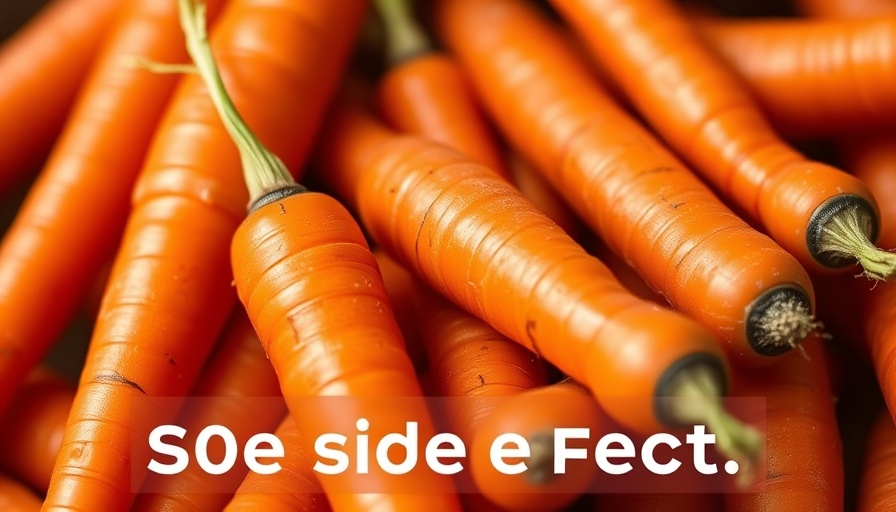
Close-up of carrots with text about side effects of eating many.

The Unexpected Effects of Overindulging in Carrots

Carrots are often praised for their numerous health benefits, from improving vision to boosting heart health. However, as with many things in life, moderation is key. The video Side Effects of Eating Too Many Carrots highlights some surprising effects of excessive carrot consumption, and it raises important questions about our dietary habits and nutrition.

In Side Effects of Eating Too Many Carrots, the discussion delves into the surprising health effects that arise from excessive carrot consumption, prompting a deeper analysis on the best practices for maintaining a balanced diet.

What Happens When You Eat Too Many Carrots?

While carrots are rich in beta-carotene, a precursor to vitamin A that can enhance skin health and vision, consuming them in large amounts can lead to a condition known as carotenemia. This results in the yellowing of the skin, particularly noticeable on the palms and soles of the feet. This discoloration, while harmless, can cause alarm and lead to unnecessary medical consultations.

In addition to skin changes, an excess intake of carrots can also create digestive discomfort. This is especially true for those who may already be sensitive to high-fiber foods. It's essential to maintain a balanced diet to avoid potential digestive issues.

Understanding Nutritional Balance and Moderation

A balanced diet incorporates a variety of fruits and vegetables, ensuring that one is not overindulging in any single food item. While it might be tempting to consume carrots for their undeniable health benefits, focusing solely on one type of vegetable can lead to nutritional imbalance. Experts suggest incorporating a rainbow of vegetables into your meals to achieve the full spectrum of nutrients essential for overall health.

The Social Connection: Dietary Trends and Perceptions

In today's society, dietary trends can heavily influence our eating habits. Carrots have become emblematic of healthy eating, often touted in wellness blogs and nutrition workshops. This emphasis can lead individuals to overconsume, driven by the perception that if one carrot is good, ten must be better. Understanding the social implications of dietary choices can help inform healthier habits.

Counterarguments: The Benefits of Carrots

While it is crucial to acknowledge the concerns regarding overconsumption, let's not forget the myriad of benefits carrots bring to the table. They're an excellent source of antioxidants, vitamins, and minerals, and they play a significant role in maintaining cardiovascular health. Including them in moderation will allow individuals to reap benefits without the side effects that come with excessive consumption.

Future Predictions: Evolving Dietary Understandings

As nutrition science progresses, our understanding of food and health continues to evolve. We can expect increased research on the optimal amounts of different foods and a greater emphasis on individualized nutritional needs. Trends toward holistic health will likely inform our dietary choices in a way that encourages more nuanced understanding versus "one-size-fits-all" approaches.

It's essential to remain curious and discerning about food trends and nutritional claims. Not only is balance crucial, but understanding the unique interplay of vitamins, minerals, and fibers can help individuals make informed dietary choices that support their health goals.

Embracing a Holistic View of Nutrition

Ultimately, achieving health and wellness is a holistic journey. As individuals aim to improve their diet and lifestyle, keeping an open mind to all food groups while practicing moderation will yield the best results. Carrots remain a delightful and nutritious addition to any meal when consumed wisely.

For those interested in understanding their dietary habits better or even exploring the field of nutrition further, consider consulting with a nutritionist. Their insights can help tailor a diet that fits not only your health goals but your lifestyle, ensuring that every meal is nourishing and enjoyable.

Fitness Trends

3 Views

0 Comments

Write A Comment

*
*
Related Posts All Posts
03.01.2026

Enhance Your Fitness: 4 Simple Cues to Move Better

Update Transform Your Workouts: Four Simple Cues for Better Movement As parents and active adults juggle the demands of work, family, and health, enhancing how we move becomes essential for both performance and injury prevention. Thankfully, Coach Matt offers a solution with his four key movement cues, designed to boost exercise confidence and effectiveness. Cue #1: Balance Across Your Foot Coach Matt emphasizes maintaining balance across your foot during squats and lunges. This cue reminds you to exert even pressure among your heel, big toe, and pinky toe. By doing so, users can prevent knee collapse and engage the hip muscles effectively. Think about the alignment and pressure distribution as a foundation for better stability and strength. Furthermore, this practice echoes fitness gurus’ advice globally, suggesting proper foot mechanics are crucial for performance. Cue #2: Slam the Car Door Shut This cue is all about preserving your spinal position while moving into a hinge or deadlift stance. Picture your arms loaded with groceries and having to maneuver as if slamming a car door shut with your hips. This motion focuses on moving the hips back rather than rounding the back. Such a visual aids in directing efforts towards critical muscle groups, reducing the risk of injury while maximizing the benefits of your exercise routines. Cue #3: Push Your Shoes Through the Floor Imagine pushing the soles of your shoes down so firmly they leave an imprint on the ground. This cue enhances spinal stability and helps prevent excessive arching when standing up from a hinge position. This technique is echoed in various coaching strategies and is crucial for building core strength and ensuring proper movement patterns during resistance training. Cue #4: Strings Attached to Your Elbows To maintain shoulder health during horizontal rows and presses, visualize strings pulling your elbows back and around your torso. This imagery promotes synergistic movement of the shoulder blades over the ribcage, fostering better alignment and preventing injuries during upper body workouts. Discovering the Importance of Movement Cues There’s a tendency in the fitness world to overcomplicate movement techniques. However, as Coach Matt and others pointed out, simple and effective cues can drastically improve exercise performance without overwhelming practitioners. The approach of integrating effective cues serves to boost not only physical fitness but mental confidence as well. Implementing These Cues into Your Routine Execution of these cues can be tailored based on individual biomechanics, allowing fitness enthusiasts to find their ideal movement patterns that are safe and effective. This individualized technique reinforces that there’s no single way of performing an exercise, further elevating the personalized experience in fitness. Final Thoughts: Embracing Proactive Lifestyle Choices Embracing these simple movement cues not only paves the way for improved workout efficiency but also nurtures a healthier lifestyle overall. Moving well and feeling active is vital, especially for parents looking for sustainable ways to stay fit amidst their bustling family lives. Therefore, whether you’re a gym newbie or seasoned athlete, those cues are a fantastic step toward enhancing your movement quality. Remember, you don’t have to strive for perfection in movement; instead, focus on continuous improvement. It’s all about finding that joy in movement and committing to your health journey!

02.27.2026

Are Bath Towels the Most Mold Contaminated Item in Your Home?

Update Understanding Household Mold: A Hidden Health Risk Mold is a common household nuisance, but its implications often extend beyond simple annoyance. Unfortunately, many homeowners are unaware of the extent to which mold contamination can affect their families' health. According to recent discussions, one of the most mold-contaminated items in homes is often overlooked—making it essential to raise awareness about this hidden health risk.In The Most Mold Contaminated Item in Your Home, the discussion dives into the surprising dangers of household mold, particularly in bath towels, prompting a deeper analysis on how to protect your family. What’s Lurking in Your Bath Towels? In the brief yet enlightening video titled The Most Mold Contaminated Item in Your Home, experts reveal that bath towels are among the worst culprits for housing mold. After soaked in water, these towels, if not dried properly, create an ideal environment for mold growth. Regularly washing and completely drying towels is fundamental in preventing these unwanted microbes from invading our homes. Why Mold Matters: The Health Impact The health risks associated with mold exposure can be misleadingly gentle at first but can escalate over time. Symptoms, such as respiratory issues, allergies, and irritation of the skin and eyes, can significantly impact daily life. For families with children or elderly members, these risks are even more pronounced. Understanding how and where mold thrives in your home can empower you to take preventive action. Common Misconceptions About Mold A prevalent misconception is that mold only grows in damp basements or bathrooms. While these areas are indeed prime locations, any item that regularly absorbs moisture—including your favorite bath towels—can become a breeding ground. The ease of prevention lies in recognizing high-risk areas in our homes. Practical Steps to Combat Household Mold So, how can homeowners take action against mold proliferation? First, ensure to wash towels frequently and let them dry completely before using them again. Additionally, consider investing in a dehumidifier for particularly humid regions of your home. Regularly checking for leaks or standing water will further mitigate any risks of mold growth. Creating a Healthy Home Environment Taking proactive measures in maintaining a mold-free home not only enhances the overall quality of living but also protects against potential long-term health implications. For families however, understanding the significance of routine cleaning and household maintenance is essential and transformative in creating a safer atmosphere. As we navigate our daily lives, it’s vital to remember that what may appear as a minor issue, such as a damp towel, can have broader implications. Awareness leads to action, and in this case, it could mean safeguarding one’s family from serious health threats. In light of the information from The Most Mold Contaminated Item in Your Home, it’s clear that as homeowners, we have a responsibility to prioritize mold awareness and prevention for the health of ourselves and our loved ones. Taking these simple yet effective steps can result in a noticeably healthier home.

02.25.2026

Explore Foods That Help Relieve Stress and Enhance Wellness

Update The Power of Food in Stress Management Stress is an inevitable part of modern living, particularly for those juggling multiple responsibilities. While most people are familiar with traditional coping mechanisms like exercise and meditation, the role of nutrition often goes unnoticed. Surprisingly, the foods we consume can play a pivotal role in regulating our emotional well-being and mitigating stress levels.In 'Eat These Foods Next Time You're Stressed', we explored the relationship between our diet and its effect on stress levels, illuminating key foods that can help reduce anxiety. Five Foods to Reach For When Stress Strikes In analyzing stress-relief strategies, it's essential to highlight some key foods that have been shown to have a profound impact on stress and anxiety. Here are five must-have foods that you might consider adding to your diet next time you feel overwhelmed: Dark Chocolate: Not only does it taste great, but dark chocolate can also help reduce stress hormones. A small amount can trigger the release of endorphins and promote a sense of calm. Bananas: Rich in potassium, bananas help regulate blood pressure and contain tryptophan, which the body converts into serotonin, a natural mood lifter. Avocado: This creamy fruit is packed with healthy fats that can help lower blood pressure and provide essential B vitamins for brain health. Green Tea: Known for its calming properties, green tea contains L-theanine, an amino acid that encourages relaxation and helps alleviate anxiety. Oats: A hearty bowl of oats can stabilize blood sugar levels and produce serotonin, contributing to a feeling of well-being. Understanding the Biochemical Connection The benefits of these foods are closely linked to the body's biochemistry. For instance, serotonin is a neurotransmitter essential for regulating mood and anxiety, and several of the foods listed above aid in its production. Consuming these stress-relieving foods can therefore, not only satisfy your taste buds but also provide emotional benefits that can stabilize and uplift your mood. Stress and Its Effects on Our Daily Lives Chronic stress can lead to numerous health issues such as cardiovascular diseases, digestive problems, and weakened immunity. Understanding how dietary choices can influence your body's response to stress is vital for anyone, especially those aged 30-60, who may face higher stress levels due to work or family responsibilities. Mindfulness in Eating: Making Conscious Choices Beyond simply including stress-reducing foods in your diet, practicing mindfulness while eating can amplify these benefits. Savoring each bite, appreciating the flavors, and recognizing how foods affect your mood can transform your mealtime experience. This mindful approach not only enhances your relationship with food but can also help you become more aware of your body's responses to stress. Taking Action for Your Health In light of understanding the role of nutrition in stress management, it's essential to make informed choices about what you put on your plate. By consciously seeking out stress-relief foods and incorporating them into your daily diet, you can build resilience against the trials of life. Next time you're feeling stressed, remember that your diet can be a source of healing and comfort. Embrace these suggestions as part of a holistic approach to mental health, and you'll reap the benefits of a more balanced and fulfilled life.

Terms of Service

Privacy Policy

Core Modal Title

Sorry, no results found

You Might Find These Articles Interesting

T
Please Check Your Email
We Will Be Following Up Shortly
*
*
*